

Winter landscaping in Phoenix works differently than summer care. The cooler months slow plant growth, change water needs, and create some frost risk for tropical plants. Many commercial properties stick to summer routines, which causes damage that is easily avoidable.
From December through February, knowing how winter affects local plant health helps keep landscapes safe, clean, and low-maintenance. Adjusting your strategies can reduce replacement costs and help your property look great all year. These five mistakes are the most common issues we see during winter in Phoenix.
1. Overwatering in Winter
Plants use less water when it’s cool. Excess irrigation causes root rot, especially in desert-adapted species. Fungal diseases thrive in soggy soil, leading to yellowing, wilting, and root death. Often, the symptoms of overwatering aren’t obvious right away. By the time you see stress above ground, damage has already spread below the surface.
Why it happens: With less evaporation and slower plant uptake, water stays in the soil for longer. When you don’t adjust your irrigation schedule, wet roots begin to decay, especially on desert-adapted species. Turf areas and shallow-rooted plants are especially vulnerable because their roots sit close to the surface, where water tends to accumulate.
Winter irrigation tips for Phoenix:
- Reduce watering by 50–70% compared to summer
- Water every 7–21 days for desert plants depending on species
- Turf usually only needs irrigation once or twice a week
- Check soil moisture 3–4 inches deep before watering
- Avoid night watering, which increases fungal risk
- Monitor plants weekly for signs of yellowing or leaf drop
2. Not Protecting Plants From Frost
Phoenix doesn’t experience frost frequently, but it is possible. A single night in the low 30s can blacken leaves and damage tropical plants. These cold snaps typically occur from December through February. Even when Phoenix doesn’t experience a hard freeze, light frost can harm exposed foliage and flower buds. Recovery from frost damage often takes several months.
Common frost-sensitive plants in Phoenix:
- Citrus trees
- Bougainvillea
- Lantana
- Hibiscus
- Bird of paradise
- Soft succulents like agave and echeveria
How to protect plants from frost:
- Watch weather reports for freeze warnings
- Cover plants with breathable frost cloth before sunset
- Use stakes or frames to prevent cloth from flattening foliage
- Remove covers by mid-morning when temps rise above 40°F
- Never use plastic sheeting, which traps condensation and increases freezing
- Water the soil (not the leaves) before a frost event to moderate root zone temperature
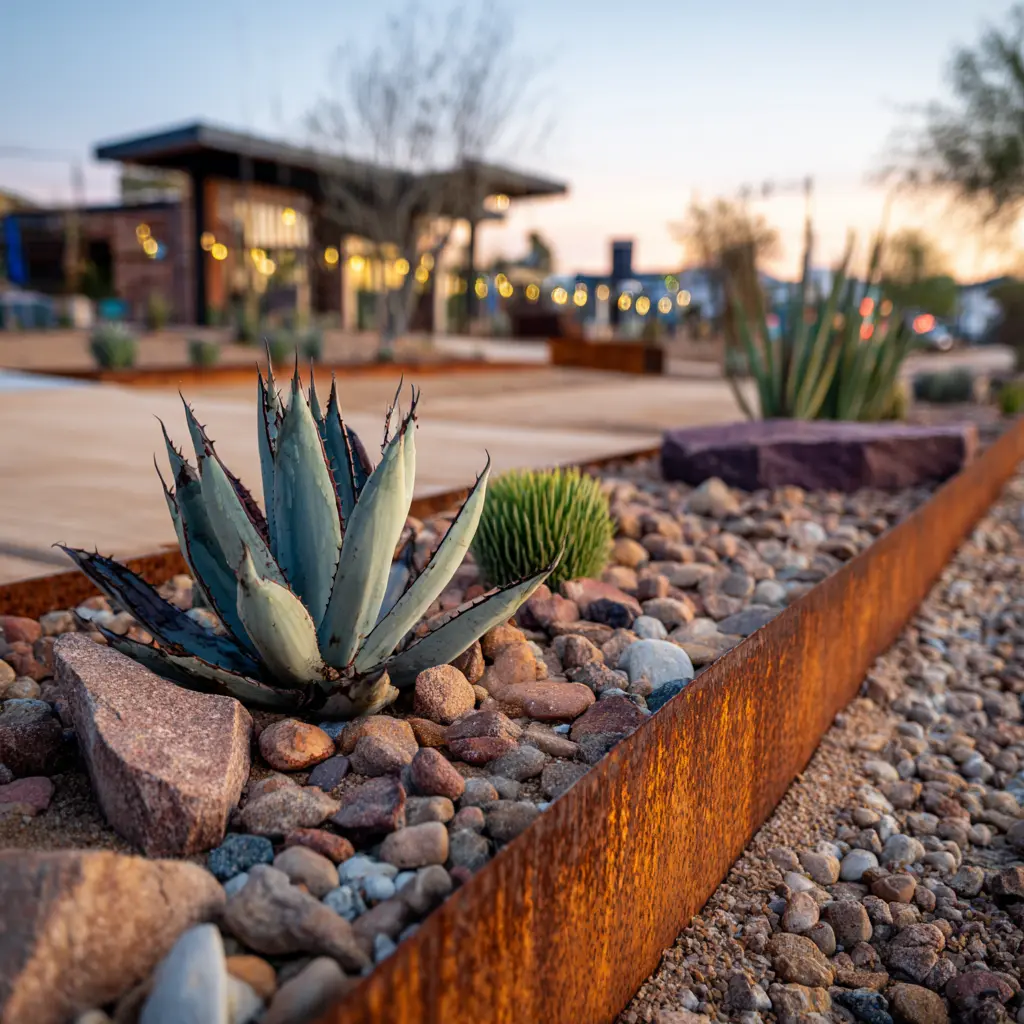
3. Pruning at the Wrong Time
Pruning during dormancy exposes growth to frost and delays spring recovery. It encourages premature new growth that is vulnerable to cold snaps. Removing foliage in winter also reduces a plant’s natural insulation and can cause sunscald on exposed stems.
Why timing matters: Dormant foliage protects internal growth. Removing it early exposes stems and buds to cold, dry air. This slows spring recovery and can reduce flowering. For flowering shrubs, early pruning often removes buds that would have bloomed in spring.
Delay pruning these plants until late winter:
- Lantana
- Oleander
- Bougainvillea
- Citrus
- Texas sage
- Fairy duster
Safe winter pruning rule:
- Only remove dead or broken branches
- Wait until late February or early March for full pruning
- Use clean, sharp tools to avoid spreading disease
4. Skipping Irrigation System Checks
Leaks, clogs, and controller failures often go unnoticed in cooler months. Plant water use drops, so issues don’t become obvious until they’ve caused long-term stress. Problems that start in winter often lead to brown patches, erosion, or costly plant loss by early spring.
Why it’s overlooked: Plants show fewer signs of stress in winter, so irrigation issues don’t always stand out. But slow leaks can lead to fungus, puddling, or water waste. Controllers are especially vulnerable. Batteries fail more often in cold weather, and old programs may still run summer schedules.
Monthly irrigation checklist:
- Check for leaks, soggy patches, and overly green areas
- Flush clogged emitters and drip lines
- Replace weak or dead controller batteries
- Adjust timers for winter run times
- Confirm all zones run as scheduled
- Inspect valves, filters, and pressure regulators
- Reset seasonal adjust features if available

5. Letting Debris Pile Up
Seed pods, dead leaves, and spent flowers collect quickly. These materials often gather in planters, under shrubs, or along curbs. Wind can move debris into drains or gravel areas where it goes unnoticed.
Problems caused by debris buildup:
- Attracts rodents, scorpions, and spiders looking for winter shelter
- Blocks stormwater drains and causes pooling near foundations
- Traps moisture that contributes to mildew and root disease
- Increases slip hazards on walkways and patios
- Creates fire risk if dry material builds near structures
Debris removal tips:
- Clean planter beds and DG areas every 2–3 weeks
- Remove seed pods, leaves, and dead annuals
- Rake and refresh decomposed granite as needed
- Clean storm drains and catch basins before rain
- Schedule regular winter cleanups as part of ongoing maintenance
Make Adjustments Now for Spring Success
Adjusting watering schedules, delaying pruning, checking systems, and clearing debris set your property up for success as seasons change. Landscapes that rest through winter with proper care emerge stronger when spring arrives. Fewer problems in winter lead to less replanting, fewer pest issues, and better flowering in March and April.
Titan Landscape Services provides winter landscaping support for commercial properties throughout Phoenix. Contact us for seasonal irrigation checks and site-specific winter care plans.
FREQUENTLY ASKED Phoenix Winter Landscaping
How often should we water in winter?
Water desert plants every 7–21 days based on species and exposure. Turf requires irrigation once or twice per week. Check soil moisture before watering.
When should we use frost cloths in Phoenix?
Cover plants when overnight temps are forecast below 35°F. Remove covers the next day once temps exceed 40°F.
Can we prune plants in December or January?
Only dead or damaged limbs should be pruned. Wait until late February for full pruning of healthy shrubs.
What winter irrigation issues should we look for?
Look for controller battery failures, clogs, leaks, or overwatering. Walk the entire property monthly.
Which Phoenix plants need frost protection?
Citrus, lantana, bougainvillea, hibiscus, bird of paradise, and soft succulents are all vulnerable.
Should we apply fertilizer during winter?
No. Fertilizer isn’t absorbed effectively during dormancy. Wait until March when growth resumes.
How much do we reduce watering in Phoenix winters?
Reduce irrigation by 50–70% compared to summer. Monitor individual plant and turf conditions.
What is the most damaging winter landscaping mistake?
Overwatering. It leads to root rot and hidden plant damage that won’t appear until spring.
Should we mulch in winter?
Yes, apply a 2–3 inch mulch layer to insulate roots, preserve soil moisture, and suppress weeds.
How can we prepare irrigation for sudden cold snaps?
Insulate exposed valves and backflow devices. Run systems during the day when needed. Drain lines if extreme cold is expected.